How School Cleaning Services Support Health and Safety Standards
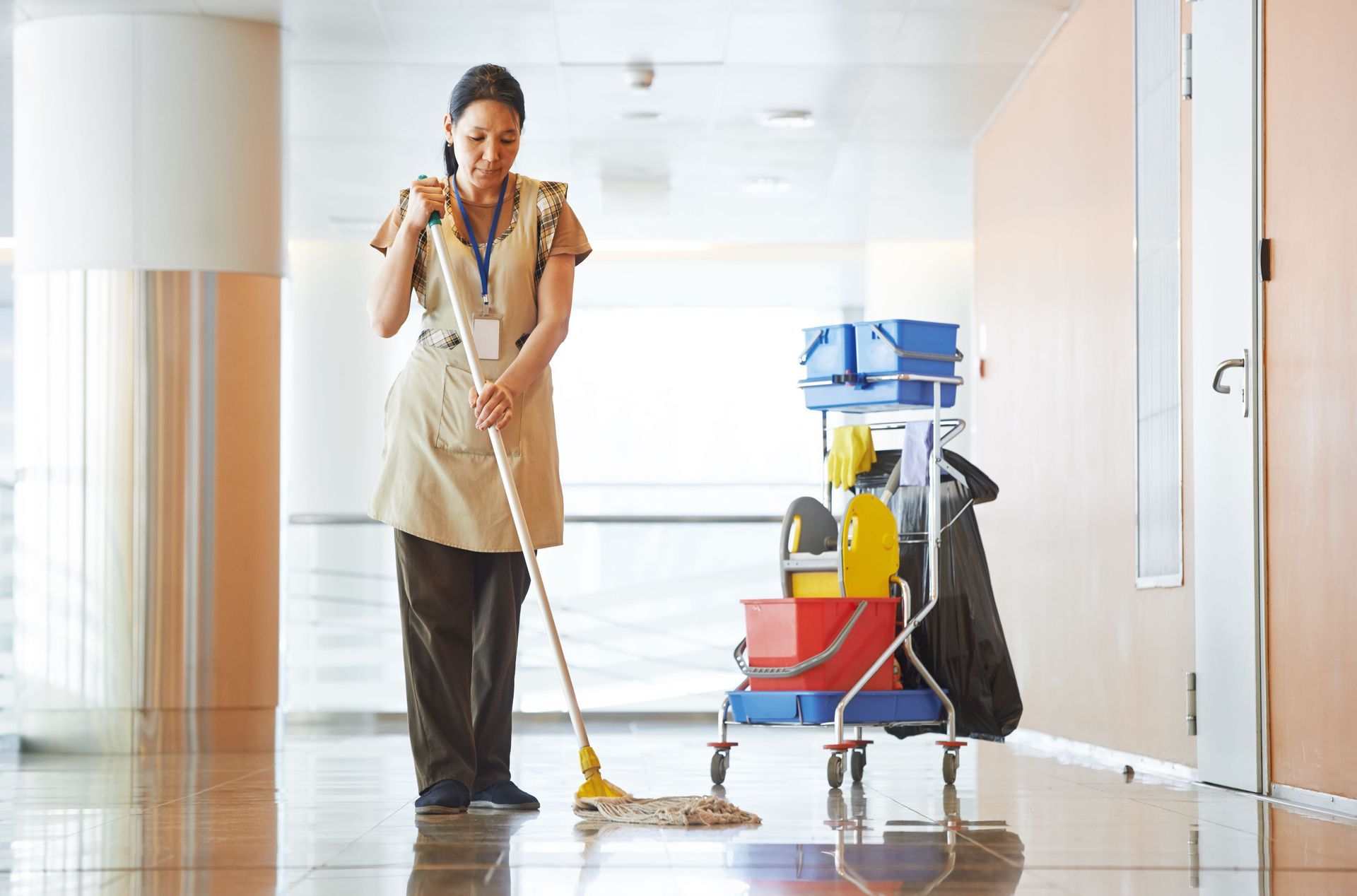
School cleaning services play a crucial role in maintaining health and safety standards. In the complex environment of educational institutions, cleanliness is not merely about aesthetics but about promoting a healthy learning environment. In this article, we will explore the ways in which these services contribute to compliance with health regulations, their impact on reducing illness spread, and ensuring student and staff safety. Additionally, we will look at how these services enhance the learning environment, examine their economic implications, and discuss future trends. The ultimate goal is to provide a comprehensive understanding of the importance and evolving role of school cleaning services.
Compliance With Health Regulations
Adhering to local health laws is a baseline requirement for all school cleaning services. Local authorities set stringent guidelines that schools must follow to ensure a healthy environment for students and staff. Compliance involves understanding these regulations thoroughly and implementing practices that meet or exceed the standards. Professional cleaning services help schools navigate these complex requirements by offering expertise and experience. This compliance is crucial because it safeguards the school environment and helps avoid possible legal repercussions.
Cleaning staff must undergo regular training to stay updated with health standards and protocols. Continuous education ensures that staff are aware of the latest cleaning techniques and the proper use of cleaning chemicals. Such training programs emphasize the importance of meeting health certifications and maintaining a hygienic environment.
Developing effective cleaning protocols is critical for maintaining and exceeding health standards. These protocols outline specific procedures for different areas within a school and are designed considering the unique needs of the environment. They often include using germicidal products and advanced cleaning technologies to ensure thorough sanitation. Customized protocols are tailored to address high-risk areas like cafeterias and restrooms, ensuring they are cleaned frequently and thoroughly. The goal is to mitigate risks and create a safe atmosphere conducive to learning.
Impact on Reducing Illness Spread
Clean environments are essential in preventing the spread of diseases in schools. Regular cleaning and disinfection significantly reduce the presence of germs and viruses, thereby lowering the incidence of illnesses. This is especially important in places with high student interaction, such as classrooms, gyms, and cafeterias. By maintaining strict cleaning regimens, schools can minimize outbreaks of common colds, flu, and other communicable diseases. Cleanliness is not just an operational necessity but a crucial part of a health prevention strategy.
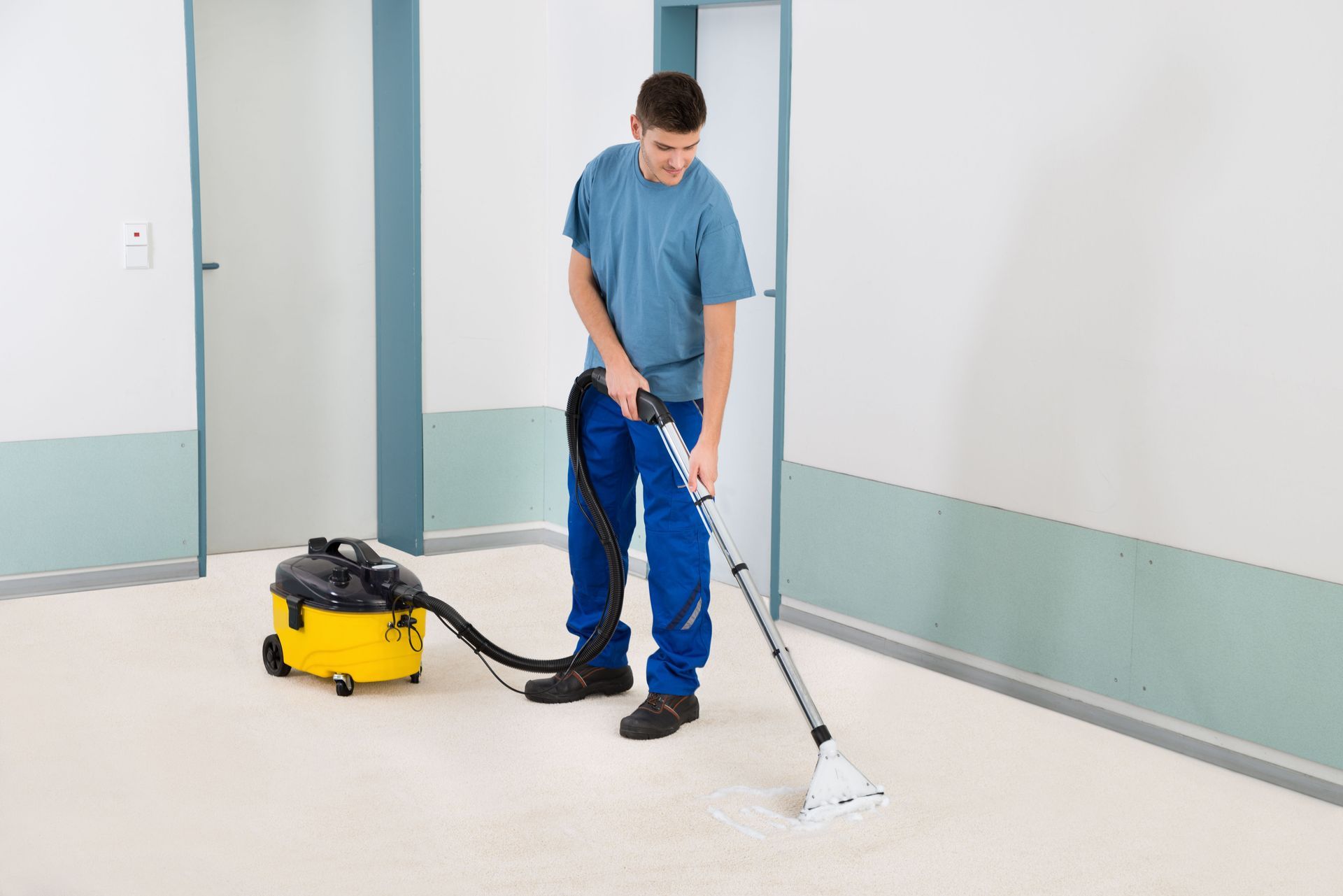
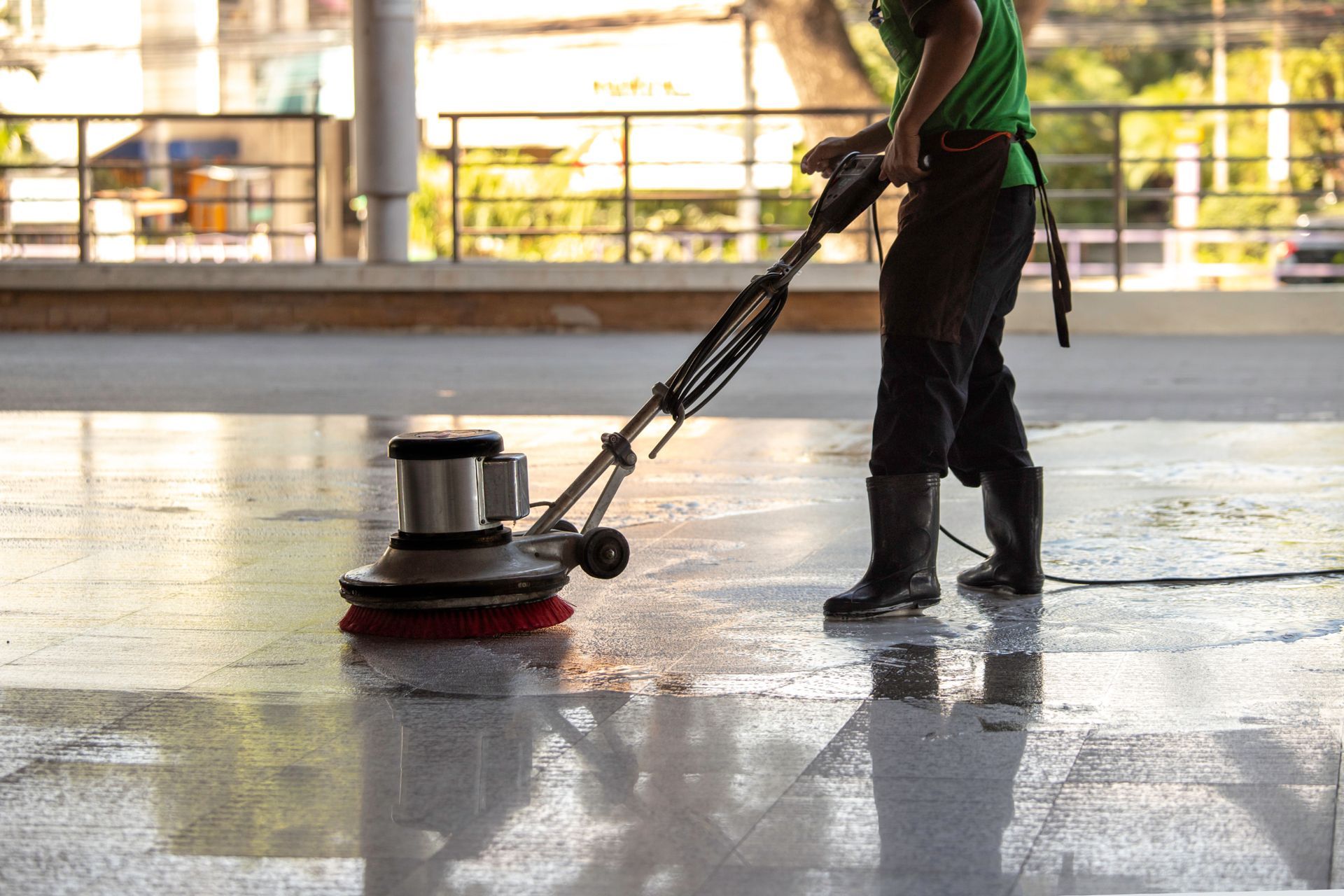
The use of advanced cleaning technologies enhances the effectiveness of school cleaning services. Tools like electrostatic sprayers and ultraviolet light decontamination units are examples of innovations that provide superior sanitation. These technologies enable cleaning staff to reach and disinfect difficult-to-access areas, ensuring no surface is left neglected. The adoption of such technologies also exemplifies industry progress and a commitment to health standards. As the industry grows, the integration of new technologies becomes a key competitive advantage.
Disinfectants play a crucial role in achieving desired levels of cleanliness and safety in schools. The choice of disinfectants is critical, as it must balance efficacy and safety for users. Modern disinfectants are formulated to kill a wide range of pathogens, providing a higher level of protection. Proper application is essential to maximize their effectiveness without exposing students and staff to harmful chemicals. Ultimately, effective use of disinfectants contributes to a healthier school environment and reduces absenteeism due to illnesses.
Ensured Student and Staff Safety
Safety protocols are an integral part of cleaning operations to protect both students and staff. These protocols include the use of protective gear, signage, and restricted access to areas undergoing cleaning. By prioritizing safety, cleaning services minimize exposure to potentially harmful chemicals and conditions. Effective safety practices are continually updated to reflect industry standards and regulatory changes. Implementing these measures ensures that cleaning tasks do not inadvertently compromise the safety of the school community.
Proper training in the use of cleaning chemicals is essential to ensure safe practices during cleaning tasks. Staff must be knowledgeable about the potential hazards associated with certain chemicals and the precautions necessary to handle them safely. Training programs cover the use of personal protective equipment and procedures for dealing with chemical spills or exposure. This focus on safety is critical, given the anticipated revenue growth in the cleaning industry, which emphasizes the need for skilled and safety-conscious professionals. Investing in training reduces risks and enhances the overall safety of the school environment.
Emergencies during cleaning operations, although rare, require immediate and well-organized responses. Cleaning services must have emergency preparedness plans outlining procedures for incidents such as chemical spills or evacuations. These plans are designed to minimize disruption and ensure prompt action to protect health and safety. Regular drills and evaluations of emergency response procedures keep staff prepared for potential situations. Efficiency in managing emergencies reflects the reliability and professionalism of the cleaning service.
Enhanced Learning Environment
Studies have shown a strong correlation between school cleanliness and student academic performance. A clean environment reduces distractions and provides a conducive atmosphere for learning. By focusing on sanitation, schools can improve attendance rates, as students are less likely to fall ill from germs. Such an environment also enhances students' concentration and engagement levels. The positive relationship between cleanliness and academic outcomes underscores the value of investing in professional cleaning services.
A clean school environment supports not only physical health but also mental well-being. Students and staff feel more comfortable and less stressed in a well-maintained setting. The absence of clutter and dirt fosters a calm and organized atmosphere that encourages focus and discipline. This nurturing environment contributes to a positive learning experience and promotes social-emotional development. Schools that prioritize cleanliness thereby invest in the holistic development of students.
Professional cleaning services help minimize visual distractions and physical hazards within schools. By maintaining orderly and spotless environments, they address safety concerns that could otherwise lead to accidents or injuries. Clean pathways and clutter-free spaces allow for unobstructed movement, particularly in emergencies. Reducing these hazards contributes to a seamless and effective educational process. The commitment to cleanliness reinforces the importance of safety and risk management within schools.
Economic Implications
Conducting a cost-benefit analysis of professional cleaning services reveals significant advantages. Although outsourcing cleaning services incurs financial costs, it is often outweighed by the benefits of improved hygiene and reduced absenteeism. A clean school environment can result in fewer health-related disruptions, leading to better academic performance. Furthermore, professional services often ensure compliance with health regulations, avoiding potential penalties. The economic rationale underscores the strategic importance of investing in these services.
Effective cleaning services help avert costs related to health issues through disease prevention. By minimizing the incidence of illnesses, schools experience fewer disruptions and avoid additional healthcare expenses. This reduction in illness also translates to reduced absentee rates, thereby preventing the loss of state funding linked to attendance. Mitigating health-related costs reflects a long-term financial strategy for maintaining a productive learning environment. The emphasis on prevention aligns with a proactive and economically sound approach to school management.
Maximizing resource allocation is essential for operating efficient
school cleaning services. Strategic investment in advanced equipment and skilled personnel can lead to enhanced productivity and cost savings. Aligning cleaning schedules with peak use times and leveraging data analytics ensures optimal resource deployment. Such an approach ensures that cleaning activities are both effective and economically viable. Efficient resource use highlights sound management practices that contribute to the sustainability of cleaning programs.
School cleaning services play a vital role in maintaining health and safety standards. From compliance with regulations to preventing illness spread and enhancing learning environments, their impact is multifaceted and indispensable. According to Upmetrics, there are more than 875,000 cleaning companies in the U.S. alone. Economic considerations and future trends further highlight the evolution and importance of these services. As schools continue to adapt to changing needs, the strategic integration of innovative practices will be crucial. Ultimately, embracing professional cleaning services represents a prudent investment in the holistic development of students and the overall success of educational institutions. Contact Marquis Commercial Solutions today for more information about our school cleaning services.